%20(1).svg)


.png)


.png)

.png)


Salivation In Ruminants
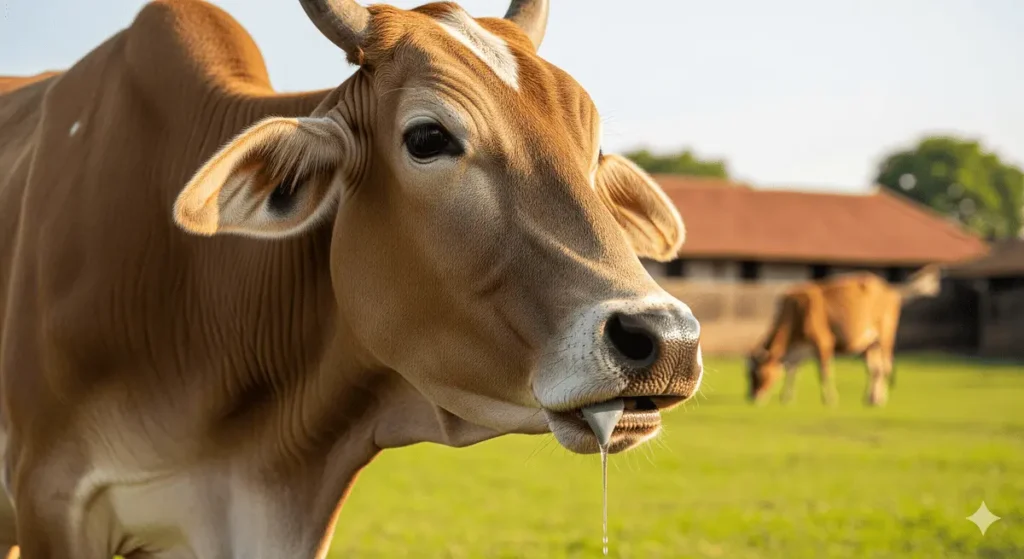
See good, it flows, smell good, it flows, taste good, it flows. Saliva, a natural gift, that makes food/feed tastier & healthier unknowingly. Digestion in a living being starts with thinking, seeing, smelling, tasting before digesting the food/feed per se. The same holds good for a ruminant too. But, the rumen’s role becomes critical in […]
Find the Best Mineral Solution for Your Dairy Farm!
Introduction Choosing the correct mineral supplement is crucial for optimising the health and productivity of your herd. Chelated minerals offer superior absorption and bioavailability, ensuring your cows get the full nutritional benefits they require. Unlike traditional inorganic minerals, chelated forms are more easily absorbed, supporting better growth, fertility, and overall health. In this article, we’ll […]
Signs and Treatment for Vagal Indigestion in Cattle
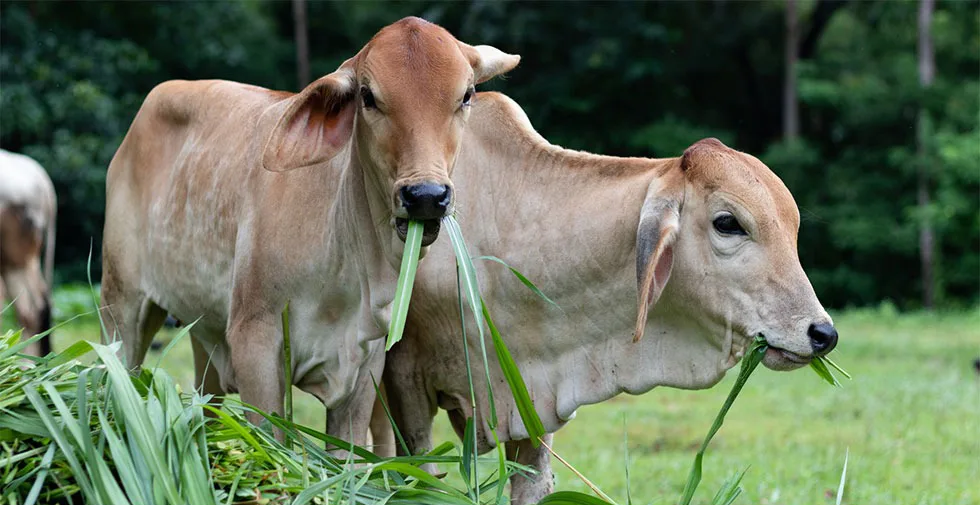
Chronic indigestion, or vagal indigestion in cattle is a condition where the stomach compartments fail to move food properly, disrupting digestion and its flow through the stomach. It is a condition in cattle, involving either functional or mechanical disturbances in the stomach, leading to symptoms like poor appetite, weight loss, dehydration, and reduced fecal output. […]
A Comprehensive Guide to Understanding Bloat in Cattle
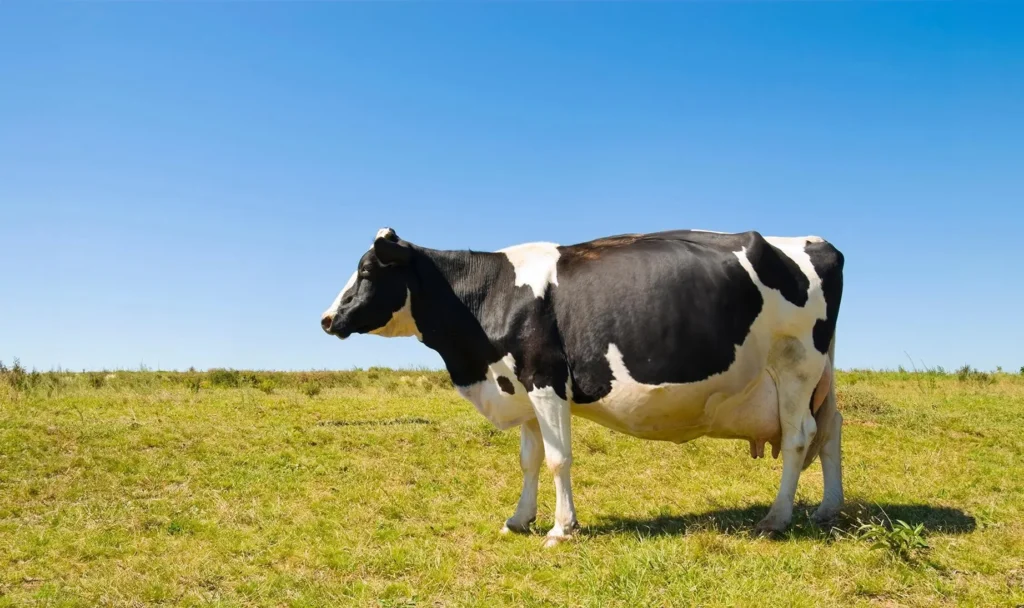
Bloat in cattle is a condition where the cattle experience excess accumulation of gas (methane and CO2) in the rumen and reticulum, leading to severe pain and potential fatalities. Bloating is also a form of indigestion risk that causes huge pressure in the chest of ruminants and often leads to cardiogenic shock. Bloat in cattle […]
Understanding Uterine Prolapse in Cattle: Causes, Treatment, and Prevention
Uterine prolapse in cattle is a serious reproductive emergency that requires immediate attention. This condition occurs when the uterus is expelled through the vaginal opening, typically shortly after calving. It is essential for cattle owners and veterinarians to recognize the signs, understand the causes, and administer prompt and effective treatment to ensure the health and […]
Yoke Gall in Cattle: Causes, Symptoms, and Herbal Treatment
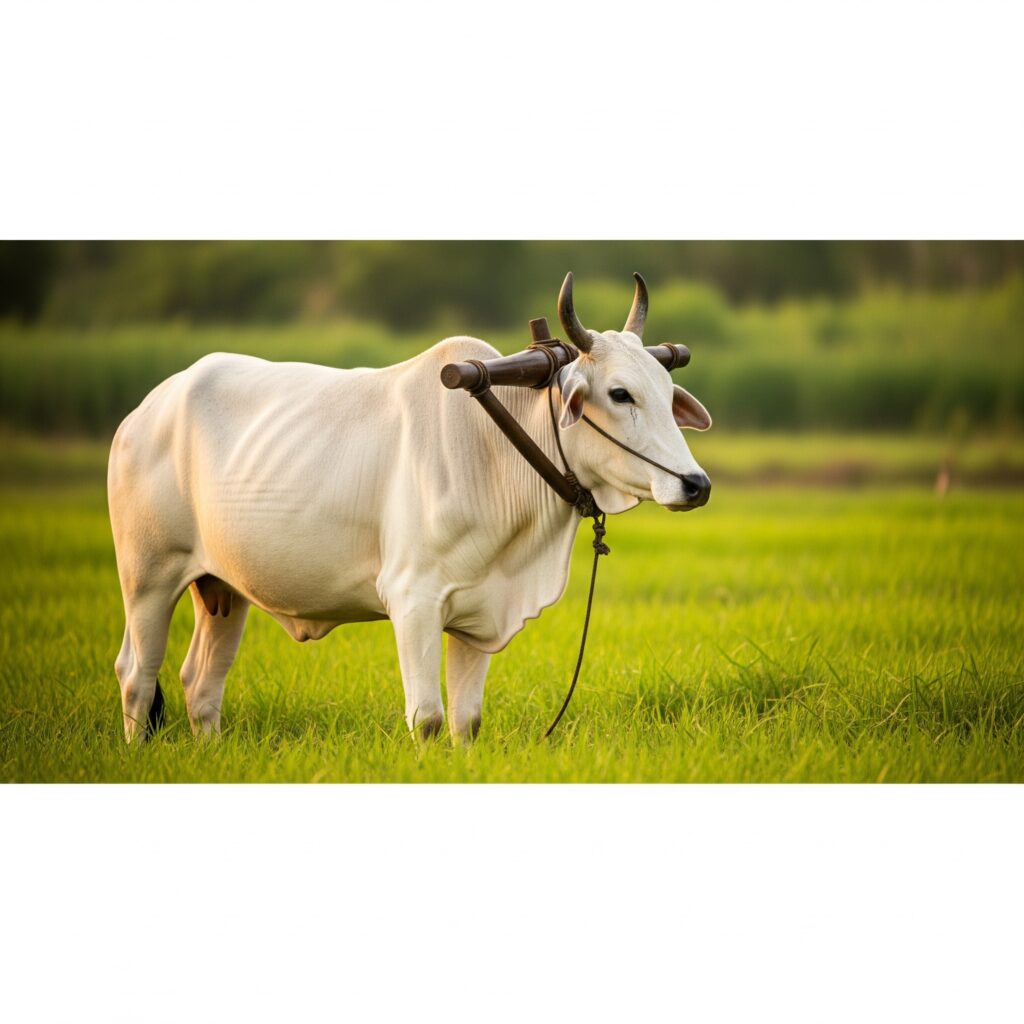
Yoke gall in cattle is a common and painful skin condition seen in working animals, especially bullocks. It occurs due to repeated friction and pressure from poorly fitted yokes, harnesses, or carts. If left untreated, it can lead to open wounds, infection, and long-term discomfort, significantly reducing the animal’s productivity and well-being. What is Yoke […]
Bovine Respiratory Disease: A Major Concern in Cattle Health
Bovine Respiratory Disease (BRD) is one of the most economically significant cattle diseases affecting the global beef and dairy industries. Also known as “shipping fever,” BRD is a complex condition caused by a combination of viral infections, bacterial pathogens, and environmental stressors. It primarily affects the lungs and airways of cattle, leading to poor performance, […]
Understanding Foot and Mouth Disease in Cattle: Causes, Symptoms, and Prevention
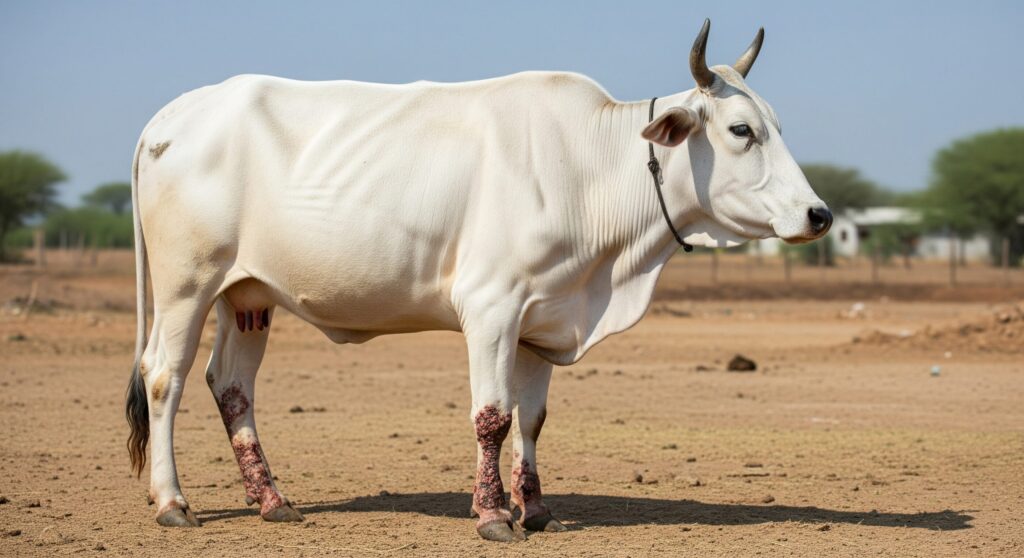
Foot and mouth disease in cattle is one of the most contagious viral illnesses affecting cloven-hoofed animals, including cows, pigs, sheep, and goats. Caused by the foot and mouth disease virus in cattle, this disease poses a major threat to animal health and the livestock industry due to its rapid spread and economic implications. What […]
Dermatophilosis in Cattle
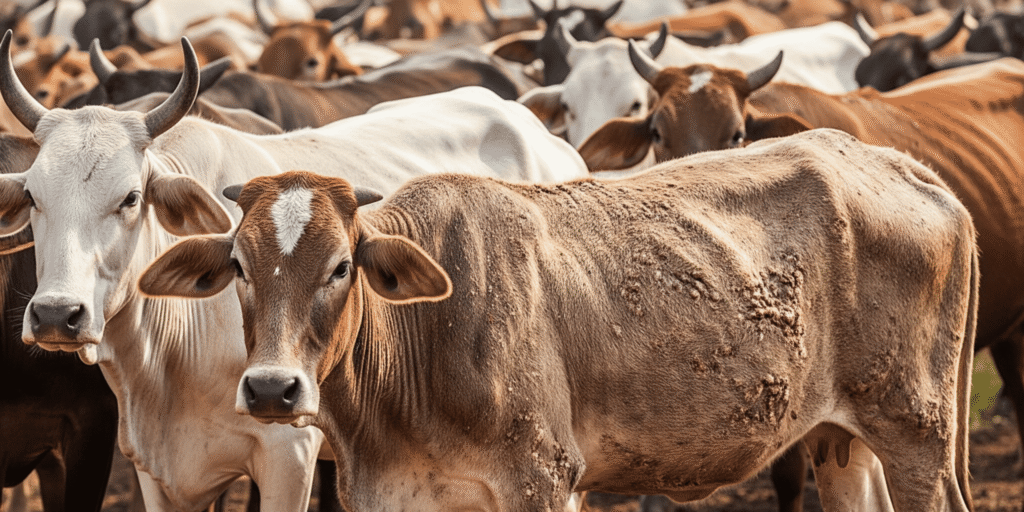
Dermatophilosis in cattle, commonly referred to as rain scald or rain rot, is a bacterial skin infection caused by Dermatophilus congolensis. This condition predominantly affects youngstock but can occur in cattle of all ages, especially during prolonged wet weather conditions. The disease is characterized by distinctive skin lesions and can significantly impact cattle health and […]
Calcium Homeostasis in Ruminants: Mechanisms and Challenges
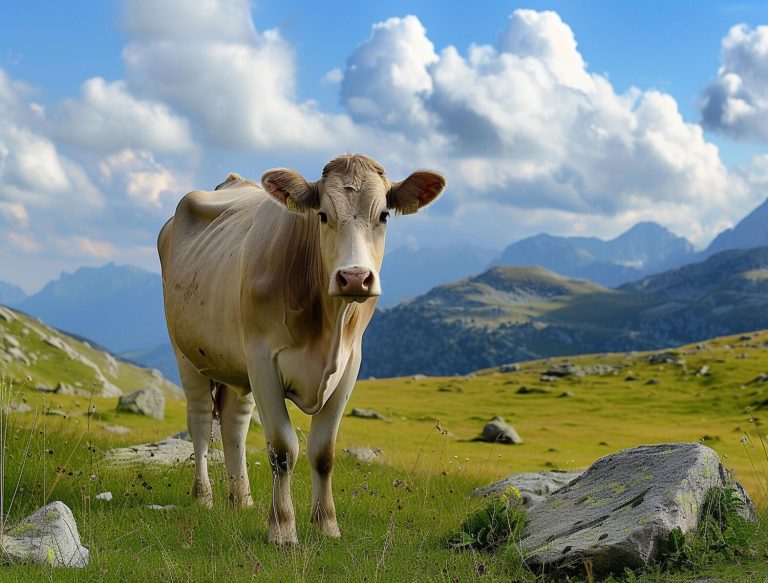
Calcium plays a critical role in a wide array of physiological functions in ruminants, including muscle contraction, nerve transmission, enzyme activity, and milk production. As such, the regulation of calcium levels—known as calcium homeostasis—is vital for animal health, especially during periods of high demand such as late gestation and early lactation. Maintaining calcium homeostasis […]
Understanding Negative Energy Balance in Cattle and Effective Treatment with Gluca-Boost
In modern dairy farming, maintaining the energy balance of high-yielding cows—especially during early lactation—is a constant challenge. Negative Energy Balance in cattle arises when the animal’s energy demand for milk production exceeds its dietary intake. This imbalance can severely impact health, fertility, and productivity if left unaddressed. What is Negative Energy Balance in Cattle? […]
Retained Placenta in Cows: Causes, Prevention, and Management
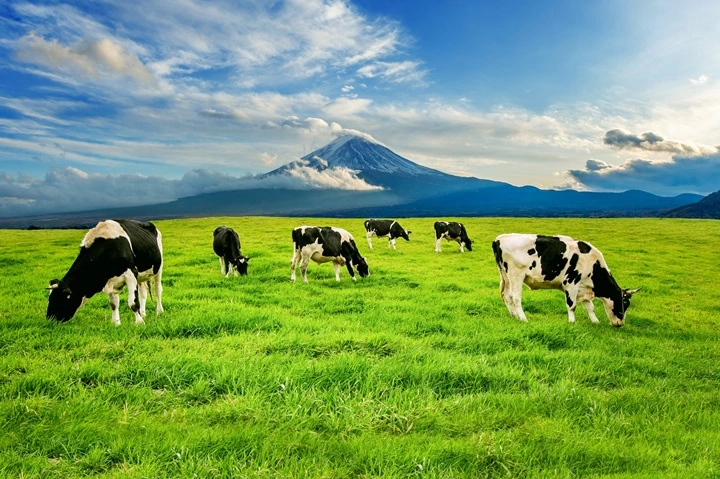
Retained Foetal Membrane (RFM) is a common reproductive issue in cows, particularly in dairy herds. It occurs when the placenta is not expelled within 24 hours after calving, leading to potential health complications and fertility challenges. Understanding the causes, risk factors, and management strategies can help improve herd health and reproductive efficiency. Causes and Risk […]
Rumen Acidosis in Cattle: Causes, Symptoms, Treatment, and Prevention
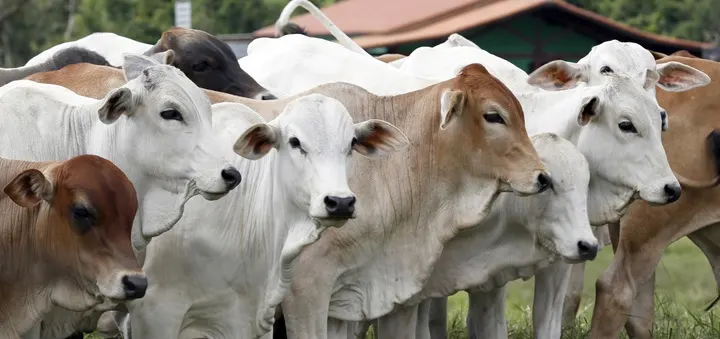
Rumen acidosis is a significant metabolic disease in cattle. While some animals exhibit clinical signs, many others experience sub-clinical acidosis, which can lead to decreased productivity and long-term health issues. What is Rumen Acidosis? Acidosis in cattle occurs when the rumen pH drops below 5.5 (normal pH ranges between 6.5 and 7.0). In severe cases, […]
Calving in Cows: A Comprehensive Guide to Stages, Symptoms, and Treatment
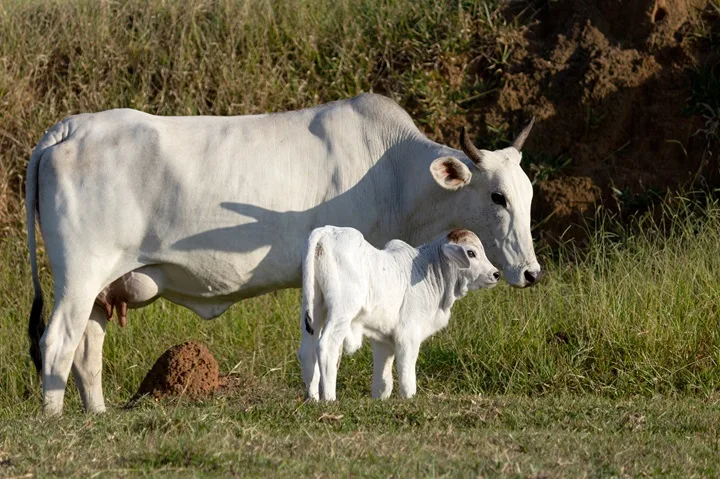
Calving in cows is crucial in cattle management, influencing herd productivity and profitability. A successful calving process ensures healthy calves and minimizes complications for the cow. Understanding the stages of calving, recognizing signs of calving in cows, and knowing the appropriate calving in cow treatment strategies can significantly improve outcomes. This comprehensive guide covers everything […]
Ketosis in Cattle: Causes, Symptoms, Treatment & Prevention
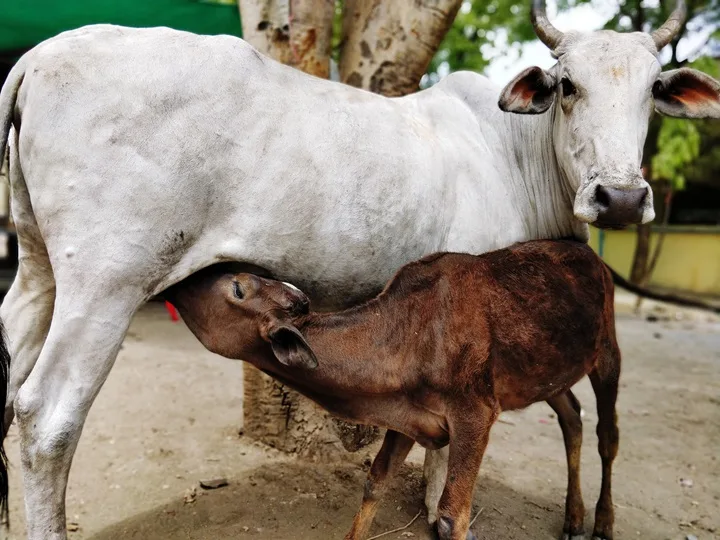
Ketosis in cattle, particularly ketosis in dairy cows, occurs when a significant energy deficit arises during early lactation. Managing ketosis in dairy cattle is a critical challenge for dairy farmers. This page aims to enhance understanding and provide insights into effective control strategies of ketosis in cattle. Always consult your veterinary surgeon for accurate diagnosis […]
Liver Fluke in Cattle
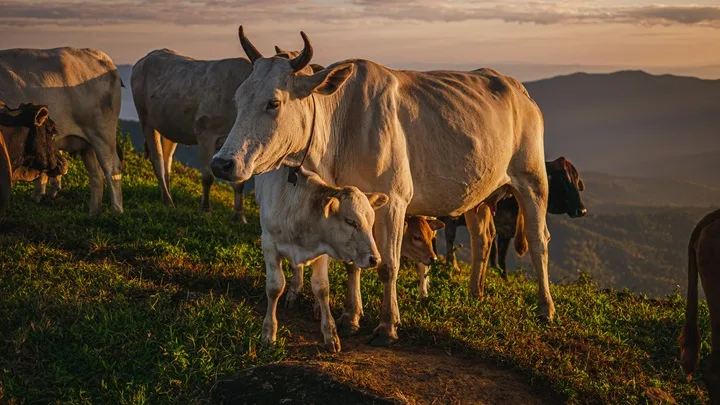
Liver fluke in cattle continues to be a critical topic in India’s livestock sector, with research showing prevalence rates as high as 80%. Liver fluke in cattle, or fasciolosis, is caused by the trematode parasite Fasciola hepatica. Fasciola hepatica not only impacts cattle but can also infect humans and various grazing animals. While all grazing […]
Things to know about lumpy skin disease in cattle
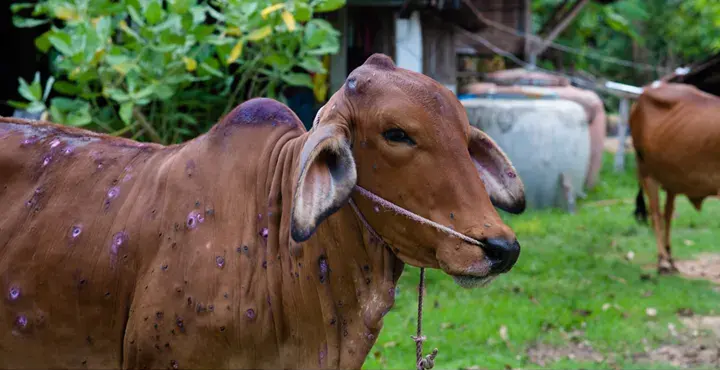
Lumpy Skin Disease in cattle (LSD) is a viral illness affecting the cattle. Lumpy Skin Disease (LSD) is caused by the Capripoxvirus, which belongs to the Poxviridae family. Firm-raised lumps appear on the skin, mucous membranes, and sometimes internal organs. LSD is not transmissible to humans and poses no direct risk to human health. It […]
Drenching bottle for cattle and its importance
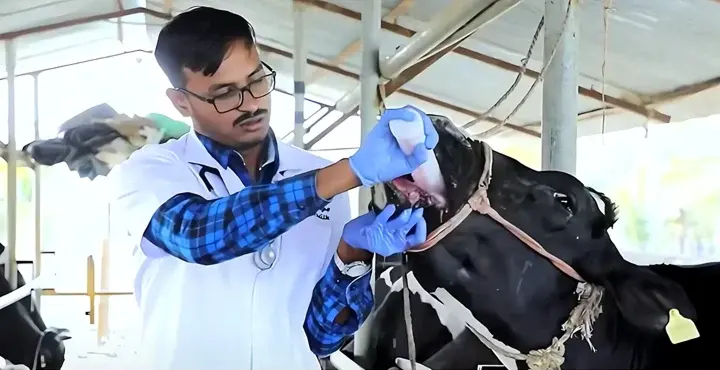
Before we discuss the drenching bottle for cattle, let’s first understand what cattle drench is and how it works. Cattle drenching means giving liquid medicine or supplements to cattle. You use a tube that enters their mouth and esophagus to treat cattle. People often use this method to get rid of internal parasites, such as […]
All you need to know about milk fever in cows
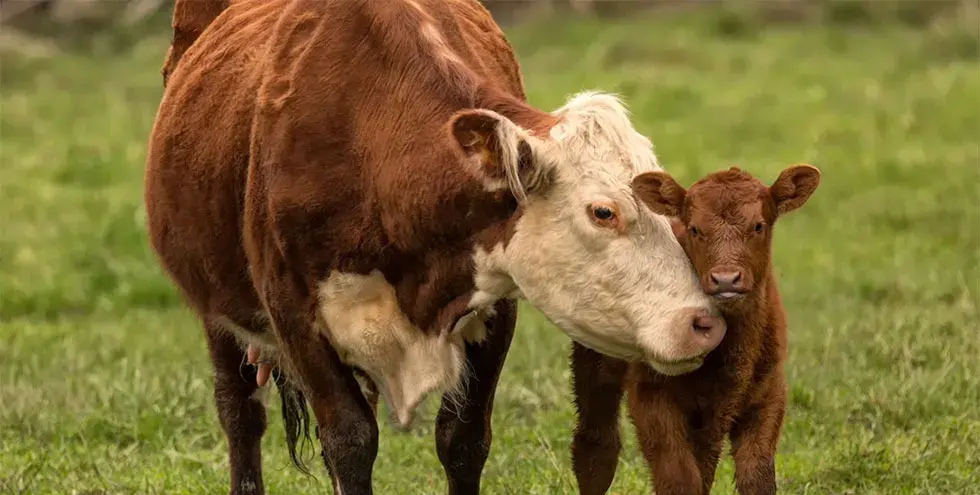
Calcium deficiency during calving, also known as hypocalcemia in cattle, paresis puerperalis, or parturient apoplexy, leads to “milk fever” in high-yielding cattle. This condition is one of the most serious metabolic diseases affecting bovines. Hypocalcemia in cattle often leads to other metabolic issues, including retained placenta, ketosis, mastitis, uterine infections, and fatty liver syndrome. This […]
Metritis in Cows: Types Causes, Symptoms & Treatment
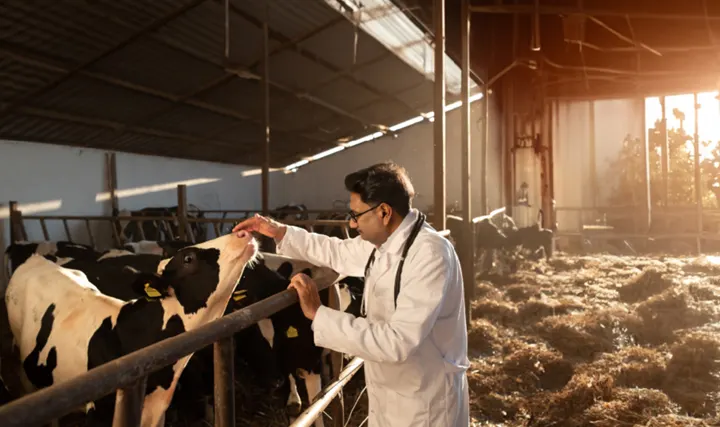
Metritis in cows or uterine infections in cattle are common, especially during or after parturition (the process of giving birth) of the cattle (also known as postpartum uterine infection in cattle). In this blog, we will be discussing in length the different types of metritis in cows, and what are the natural treatments available for […]
Mastitis in Cows: Causes, Symptoms, Prevention & Treatment
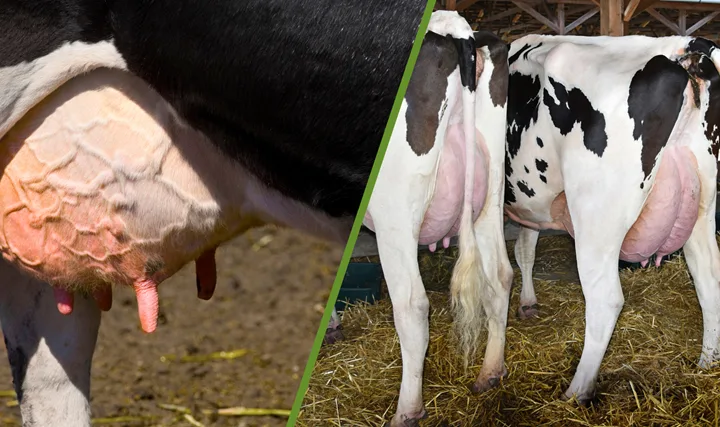
What is Mastitis in Cows? Bovine mastitis, an inflammation of the mammary gland, is the most common disease of dairy cattle that not only degrades the quality of milk but reduces the quantity as well. In the majority of cases, it occurs when microorganisms penetrate the teat through the teat canal. Most of the clinically […]